


Chemical Shelves: How Did We Get Here?
How Natural Health Stores Changed
Natural health stores were born from a powerful idea: that food is nutrition and medicine. They were founded by passionate people serving communities who wanted alternatives to pharmaceuticals and highly processed foods. Shelves were once filled with whole plants, mineral-rich foods, traditional herbs, and remedies that nourished humanity for thousands of years. These spaces became places of trust, especially for those beginning their journey toward better health.

At the same time, processed foods began to be fortified with synthetic vitamins to compensate for nutrients lost during bleaching, refining, and high-heat cooking. As such, white flour, white rice, and refined sugar are stripped of their natural nutrients, then artificially fortified to meet nutrients standards. This cycle creates the appearance of nutrition without always delivering true nourishment.


As a chemist, what unsettles me most is how easily chemical imitations can sit quietly beside true whole-food nutrition, often looking just as natural on the surface. Many shelves now resemble a chemical periodic table more than a garden. Isolated minerals. Synthetic vitamins. Single molecules stripped from their natural context and sold as nourishment. Brown bottles and green labels may feel reassuring, but the ingredient list tells the real story.
The question is no longer how the industry changed, but how we choose within it.
Before Vitamins Had Names
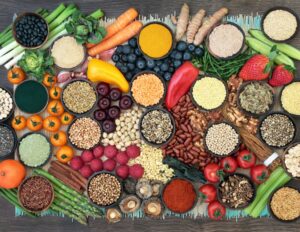 For millennia, humans thrived without counting milligrams or swallowing isolated compounds. We ate real food. Plants, roots, seeds, fruits, herbs, and animal foods containing thousands of interacting compounds that science still cannot fully explain. When nutrition shifted from whole foods to isolated components, something essential was lost. Food became chemistry rather than nourishment. Numbers replaced wisdom.
Humanity was healthy long before vitamins had names. What many forget is this: vitamins were not invented. They were discovered. Humanity survived and thrived long before we named them.

The concept of “vitamins” emerged between the late 1800s and 1949, following disease outbreaks such as scurvy (affecting those on long sea journey which did not consume vitamin C fruits and vegetables) and beriberi (affecting only people who only eat bleached rice devout of vitamin B1). Scientists identified tiny compounds in food that were essential for preventing these conditions. These discoveries were groundbreaking, but they marked a turning point.
Between 1912 and 1933, most vitamins were isolated from foods and then lab-made to copy these vitamins. From that moment, nutrition began shifting from food-based wisdom to reductionist chemistry.
What Are Vitamins Really?
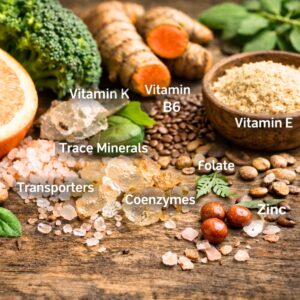 Vitamins are substances essential to life, required in small amounts, and defined by their biological activity rather than their chemical structure. They do not act alone. In nature, they exist alongside enzymes, trace minerals, plant nutrients, co-factors, and transporters that guide their absorption and function.
There are two main categories of vitamins:
1. Water-soluble vitamins include the B-complex and vitamin C.
2. Fat-soluble vitamins include vitamins A, D, E, and K, which are stored in body fat when consumed in excess.
Most vitamins must come from diet, with a few exceptions, like vitamin D which is synthesized in the skin through sunlight exposure. It is fat-soluble, meaning it can be stored in the body’s fat tissues and liver.
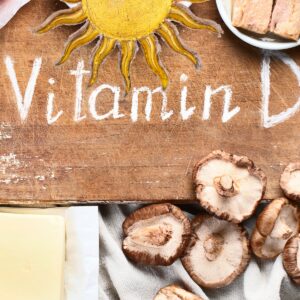 The body is capable of manufacturing and storing enough vitamin D during the spring, summer, and fall to last through the winter, provided there was enough sun exposure. Vitamin D can also be obtained with the consumption of specific foods, including fatty fish (salmon, trout), fish liver oils, egg yolks, and the vegan option, UV-exposed mushrooms (with UV rays, vitamin D2 is transformed to D3 form).
Importantly, most vitamins exist as families, not single compounds. For example, naturally, vitamin A has 2 forms, vitamin B has 9, vitamin E has 8 forms, etc. Even vitamin C, which exists as only 1 (L-ascorbic acid) functions in multiple stages throughout metabolic processes in the body. This complexity cannot be replicated by a single isolated molecule.
The Truth About Whole-Food Nutrition

Vitamins were discovered less than a century ago. Whole-food nutrition sustained humanity for thousands of years before that. In nature, vitamins do not work in isolation. They function as part of a living system, interacting with minerals, enzymes, antioxidants, and plants nutrients. Synthetic and isolated vitamins may meet numerical requirements, but they do not provide the biological intelligence found in food. In some cases, high doses can increase toxicity risk without delivering meaningful health benefits.

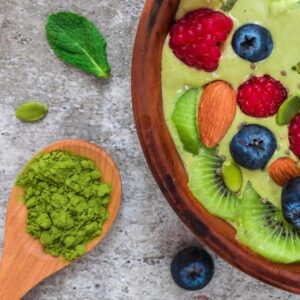 Choose natural, whole, non extracted forms whenever possible. Whether fresh or gently dried, plants like moringa leaves or graviola leaves retain their natural co-factors when they are minimally processed. Powders and capsules made from the whole plant preserve far more nutritional intelligence than isolated extracts or synthetic versions.
Whole-food supplements are not shortcuts. They are a practical way to stay connected to traditional nutrition in a modern world.
A Note on Irradiation in Natural Supplements
In Canada, irradia
For example, gamma irradiation uses high-energy radiation to sterilize plant materials. While effective at reducing microbes, it does not distinguish between harmful organisms and beneficial plant compounds. Sensitive plant nutrients, antioxidants, enzymes, and medicinal constituents can be degraded or structurally altered in the process.
As a chemist and formulator, this is a choice I take seriously. While irradiation may improve shelf stability, it can compromise the very nutrients and medicinal properties people seek from whole plants. For this reason, I do not allow gamma irradiation in any of the supplements I formulate. I prioritize careful sourcing, gentle drying, and respectful handling methods that preserve the integrity and vitality of the plant.
True whole-food nutrition is not just about what is listed on the label. It is about how the plant was treated long before it reached the bottle.
Why Reading Labels Matters More Than Ever
Many supplements contain “other medicinal ingredients” or “non-medicinal ingredients” that are not food at all. Common chemical additives used to fill or manufacture capsules include Magnesium stearate, Microcrystalline cellulose, and Silicon dioxide or silica.
These substances are added for manufacturing efficiency, not nutrition. They dilute the supplement and introduce compounds the body does not need. Reading the label is how you protect yourself.
Capsules Over Tablets for a Simple Reason

Choose capsules made from clean, minimal materials and filled only with whole-food ingredients.
Choice Is the Heart of Natural Health

- Read labels.
- Choose sections that focus on whole, non extracted foods.
- Favor powders when you have time and capsules when consistency matters.
- Ask questions and stay curious.
Whole-food nutrition works because the body recognizes it. It knows how to use it.
A Call to Action
- Choose nutrition that respects the complexity of life. Look beyond marketing language.
- Read ingredient lists carefully.
- Favor whole foods over isolated nutrients.
Support brands and products that honor nature rather than imitate it.
Health was never meant to be manufactured. It was meant to be nourished, patiently and wisely, one conscious choice at a time.
Amina Badar, Medicinal Chemist & Founder of Nia Pure Nature and Piur1 

