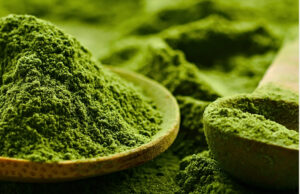
Nourishing Your Eyes Naturally: Seeds, Moringa, and the Nutrients that Support Vision
Our eyes work tirelessly every day. From screens and artificial lighting to environmental stress and aging, modern life places a heavy burden on vision. While many people think of eye care only in terms of glasses or eye drops, eye health begins with nutrition.
The retina, lens, and optic nerve depend on a steady supply of antioxidants, minerals, and healthy fats. Whole foods—especially seeds, leafy plants, and nutrient-dense botanicals like moringa—contain compounds that help support these delicate structures.
But for me, this subject is not only scientific. It is also deeply personal.
A Personal Journey with Vision
At the age of 16, I was diagnosed with myopia and astigmatism, conditions that ran in my family. I remember feeling discouraged knowing that my eyesight might continue to worsen as it had for many relatives. I was prescribed glasses and assumed declining vision was simply something I would have to live with.
Over the years, my vision continued to deteriorate. By my mid-40s, I noticed my eyesight getting worse and worse.
About 13 years ago, I began focusing seriously on improving my health through nutrition and lifestyle. I started consuming moringa daily, alongside a diet rich in whole foods and seeds. One ingredient quickly became a favorite in my kitchen: tahini, a creamy paste made from roasted sesame seeds. Tahini became a delicious way to include sesame seeds regularly in our meals. I began adding tahini to:
• Moringa and beet smoothies • Salad dressings • Hummus spreads • My children’s favorite homemade beetroot and berry ice cream
Slowly, something unexpected began to happen. My vision started improving about 10 years ago, and I realized that I no longer needed glasses. Today, now in my 50s, I still do not wear glasses; something I never imagined possible when I was younger.
This experience strengthened my curiosity about how nutrition supports eye health. Seeds and nutrient-dense plants became an important part of that journey.
Moringa and Vision-Supporting Nutrients
Moringa leaves are one of the most nutrient-dense plants known. They contain beta-carotene (a precursor to vitamin A), antioxidants, minerals, and carotenoids such as lutein and zeaxanthin.
Beta-carotene is converted in the body to vitamin A, which is essential for producing rhodopsin, a pigment used by the retina to see in low light.
Interestingly, studies report that moringa leaves contain significantly more beta-carotene than carrots on a gram-for-gram basis.
Moringa also contains lutein and zeaxanthin, carotenoids that accumulate in the macula of the retina and help protect against oxidative damage and blue-light exposure.
These nutrients are widely studied for their potential role in supporting macular health and protecting vision over time.
The Role of Glutathione in Eye Health
The eyes contain one of the highest concentrations of glutathione, one of the body’s most important antioxidants.
Glutathione helps:
• protect the retina from oxidative stress • maintain the transparency of the eye lens • support healthy cellular function in ocular tissues
Reduced glutathione levels have been linked to glaucoma, cataracts, and other degenerative eye conditions. Nutrition rich in antioxidants can support the body’s natural defense systems that help maintain glutathione balance.
Sesame Seeds – Best When Lightly Roasted
Sesame seeds have been valued for centuries in traditional diets. They provide zinc, vitamin E, copper, and antioxidants that help protect delicate eye tissues.
However, sesame seeds naturally contain phytates, sometimes referred to as anti-nutrients because they can bind minerals such as zinc and reduce absorption.
Lightly roasting sesame seeds helps reduce phytates and improves digestibility.
Tahini—made from roasted sesame seeds—is an easy way to enjoy these nutrients regularly.
Zinc plays an important role in transporting vitamin A to the retina, which is essential for healthy vision.
Pumpkin Seeds – Best Soaked Overnight
Pumpkin seeds are one of the richest plant sources of zinc, a mineral essential for retinal health.
Like sesame seeds, they also contain phytates, which can reduce mineral absorption. Soaking pumpkin seeds overnight in water with lemon or lime juice helps reduce these compounds and improves mineral availability.
Zinc supports:
• retinal function • immune protection of eye tissues • cellular repair in the optic system
Hemp Seeds – Essential Fatty Acids for the Eyes
Hemp seeds are rich in omega-3 and omega-6 fatty acids, which support the structure of cell membranes throughout the body, including the eyes.
Hemp seeds are soft and easily digestible and can be added to smoothies, salads, or cereals.
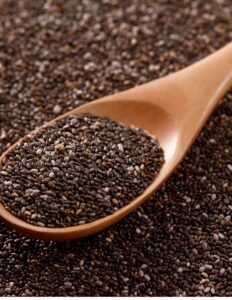
Chia Seeds – Best Ground with Coconut Oil
Chia seeds contain omega-3 fatty acids and antioxidants that help protect retinal cells from oxidative stress.
Grinding chia seeds improves nutrient absorption. When combined with coconut oil, the fats help enhance the absorption of fat-soluble compounds.
This combination supports the blood vessels and nerves that supply the eyes.
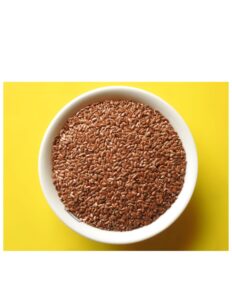
Flax Seeds – Best Ground with Avocado
Flax seeds are one of the richest plant sources of alpha-linolenic acid (ALA), a plant-based omega-3 fatty acid that supports circulation and anti-inflammatory balance.
Grinding flax seeds is essential because the body cannot easily digest whole seeds.
Pairing them with avocado, which contains healthy monounsaturated fats, improves nutrient absorption.
Important note: ground seeds should ideally be consumed within about 15 minutes of grinding, as delicate fatty acids begin to oxidize when exposed to air and light.
Sunflower Seeds – Daily Mineral Support
Sunflower seeds are rich in vitamin E, selenium, and healthy fats, which help protect eye tissues from oxidative stress.
A simple daily combination can provide powerful nutritional support:
• 1 ounce (about 28 grams) of sunflower seeds • ¼ avocado • ½ lemon squeezed over the seeds and avocado
This combination provides healthy fats, vitamin E, and vitamin C, nutrients involved in protecting cells and supporting connective tissues—including those in the eyes.
Small Seeds, Powerful Protection
Our eyes rely on a steady supply of nutrients to maintain their function. Seeds provide a natural source of essential fatty acids, antioxidants, and minerals that support eye health over time.
Preparing seeds properly—by soaking, roasting, or grinding—can improve mineral absorption and digestibility.
Adding a variety of seeds, healthy fats, and nutrient-dense plants like moringa to your daily routine can gently nourish the body and support eye health from within.
Sometimes the most powerful support for our health comes from simple foods that nature has provided for centuries.
Small seeds, used wisely, can offer remarkable nourishment; not only for the eyes, but for the entire body.
Amina Badar is a medicinal chemist and founder of Nia Pure Nature and Piur1. After 15 years at Health Canada protecting public health, she chose a prevention-focused approach grounded in whole foods and pure medicinal plants. She is deeply passionate about research and continually exploring natural, healthy lifestyle approaches to support people’s well-being. Every subject she shares is thoughtfully researched and rooted in scientific understanding.
Sign up to receive coupons, recipes, and tips
for healthy living.
-------
Inscrivez-vous pour recevoir des offres de coupons, des recettes et des conseils
pour une vie saine.
Nia Pure Nature will only send emails with your permission, and you can unsubscribe at any time.
Nia Pure Nature n’enverra des e-mails qu’avec votre permission et vous pourrez vous désinscrire à tout moment.



 Chia Seeds – Best Ground with Coconut Oil
 Chia Seeds – Best Ground with Coconut Oil